Car Transport Costs in the UK: What You'll Actually Pay
Call one car transporter for a 200-mile delivery and you might pay £350. Post the same job on a comparison platform and watch quotes come in at £180. Same car, same route, same week. The only difference is how the booking was made.
The UK car transport market has no standard pricing. Hundreds of operators set their own rates, and the quote you get depends on who you call, when you call them, and whether they happen to have space on a truck heading your way. Most people overpay simply because they accept the first number they hear without knowing what the job should cost.
This guide gives you the benchmark. Below you will find real cost ranges for every major distance, a breakdown of how transport method can double or halve your bill, and the specific factors that push quotes up or down. If you are still weighing up how to get the car moved at all, our car delivery service guide compares driven and transported delivery first.
What Car Transport Costs in the UK: Prices by Distance
Distance is the single biggest driver of car transport cost in the UK. But it is not a straight line on a graph. Short trips are disproportionately expensive per mile because fixed costs like driver time, fuel, and the empty return leg get spread over fewer chargeable miles. The longer the route, the cheaper each mile becomes.
Whether you need to transport a car 100 miles in the UK or 500, the table below gives you a realistic cost range. All figures are for a standard saloon on an open trailer, compiled from James Cargo, Clicktrans, Airtasker UK, and Car Transport UK:
| Distance | Typical Cost Range | Cost Per Mile (approx) |
|---|---|---|
| Up to 50 miles | £75–£150 | £2–£3/mile |
| 100 miles | £100–£180 | £1–£1.80/mile |
| 200 miles | £150–£350 | £0.75–£1.75/mile |
| 300 miles | £200–£450 | £0.67–£1.50/mile |
| 500 miles | £300–£600 | £0.60–£1.20/mile |
Those wide ranges within each row are not vague hedging. They reflect real differences in booking method, timing, vehicle type, and whether the transporter has a return load lined up. The bottom end of each range is what you will find when multiple operators compete for your job. The top end is what a single operator quotes when they know you are not comparing.
Single-operator quotes without comparison shopping may run 20–75% higher than competitive marketplace rates. That is not because those operators are dishonest. It is because they are pricing for their own cost structure, without the pressure of someone else offering to do it cheaper.
These figures assume a standard open-trailer job. Choosing enclosed instead can add 65% to every number in that table.
Open Trailer, Enclosed, or Driveaway: Which Method and What It Costs
Your car can travel on an open trailer, inside an enclosed transporter, or under its own power with a trade plate driver at the wheel. The cost difference between these methods is significant, and most people default to the wrong one.
Open trailer: the default
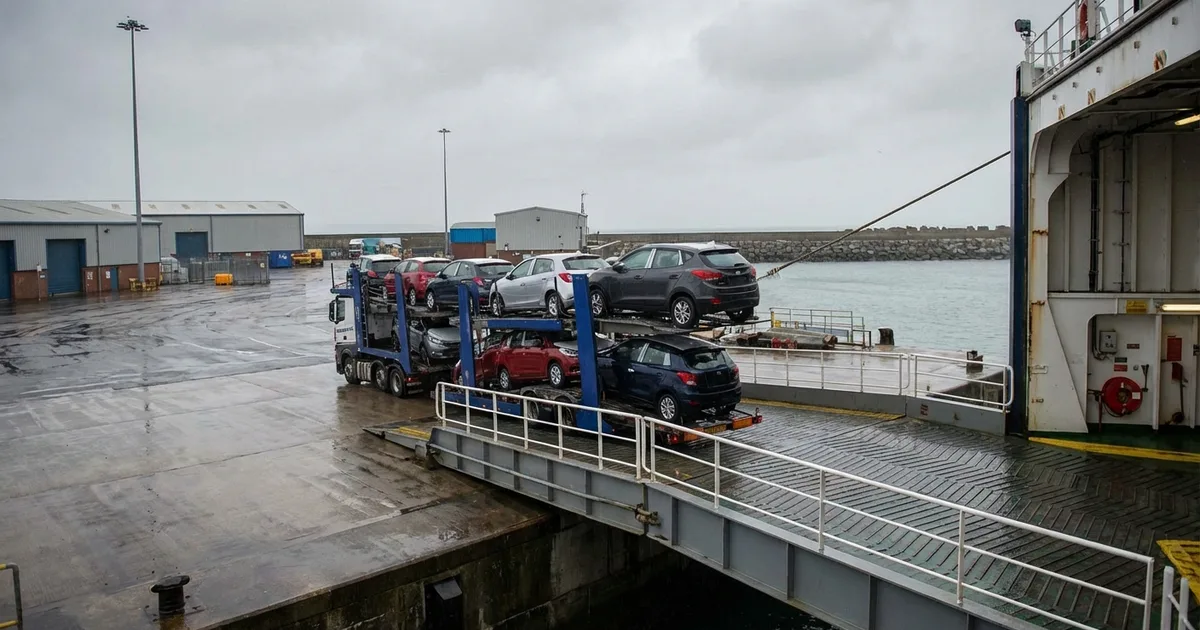
Unless you have a specific reason to choose otherwise, this is the right option. Your car is loaded onto an open multi-car transporter, the same trucks that deliver new cars from factories to dealerships. Standard saloons, hatchbacks, and SUVs all travel this way.
Your car sits on the road every day and survives. A few hours on an open trailer is no different. Enclosed transport sellers like to imply otherwise, but for a working car in normal condition, open trailer is the right call.
Enclosed trailer: for when it matters
Enclosed transport costs 45–65% more than open, according to 2025 data from Direct Connect Auto Transport. That premium has actually increased from 30–40% in 2018, driven by rising demand for classic and prestige vehicle movements.
In real numbers: a £200 open trailer job at 200 miles becomes £290 to £330 enclosed. That extra spend buys you full weather protection, no road debris risk, and privacy from prying eyes on the motorway.
Use enclosed transport for classic cars, prestige or luxury vehicles, concours-condition show cars, or anything where cosmetic perfection justifies the cost. Paying an extra £100 to move a three-year-old Volkswagen Golf in an enclosed trailer is unnecessary spend.
Driveaway (trade plate driver): often the cheapest
A licensed driver collects your car and drives it to the destination under trade plates. No truck involved. For running vehicles on medium-to-long routes, this is often the most affordable option.
The downsides are real, though. A driveaway adds mileage to the car. The vehicle must have a valid MOT and be in reliable mechanical condition. It is not suitable for non-runners, cars with known faults, or anything you would not want driven 200 miles by someone else.
Best for: budget-conscious owners moving a reliable daily driver who care more about cost than keeping the odometer low.
Dedicated trailer: speed at a price
Your car gets the whole truck to itself. Scheduling is faster because the operator does not need to wait for a full load heading your direction. Expect to pay roughly double a shared multi-vehicle load for the same distance. That makes dedicated transport the right choice for urgent moves or high-value vehicles where you do not want other cars loaded alongside yours, but overkill for a standard job.
8 More Factors That Move Your Car Transport Quote
Distance and method account for most of the price. But there are another eight factors that quietly push quotes up or down. Some you can control, some you cannot.
1. Non-running vehicle. This is the most common nasty surprise. A car that cannot be driven under its own power requires winching equipment, a flatbed or low-loader instead of a standard multi-car transporter, and significantly more time on site. Expect a surcharge of £50 to £150 or more on top of the base quote. You must disclose this upfront. Operators who arrive and discover a non-runner can refuse the job entirely or charge extra on the spot. Always declare it when requesting quotes.
2. Urgency and lead time. Same-day or next-day bookings attract premiums of 20–50% compared to booking a week or more ahead. If your timeline allows it, book early. A week of lead time can save you £50 to £100 on a typical job.
3. Seasonal demand. Carrier demand increases by around 22% during peak periods, specifically May through August and the December holiday weeks. Prices rise accordingly. If you can avoid moving your car in August, do.
4. Collection and delivery location. A London-to-Manchester job is priced very differently to a Penzance-to-Inverness run of similar mileage. Remote postcodes in the Scottish Highlands, rural Wales, or Northern Ireland cost more because fewer transporters run regular routes to those areas (crossing the Irish Sea is its own pricing world — see our UK to Ireland car transport guide). Major urban corridors are cheaper because operators can fill trucks more efficiently.
5. Vehicle size and weight. Large SUVs, vans, and long-wheelbase estates take up more space on a transporter. The operator can load fewer vehicles per run, which increases the per-vehicle cost.
6. Access at collection or delivery. Narrow lanes, low bridges, or nowhere to park a 60-foot transporter can require a smaller vehicle or a relay arrangement. This adds cost.
7. Vehicle value. Higher-value vehicles may need enclosed transport (see above) and affect the insurance tier the operator needs to carry. A £5,000 hatchback and a £60,000 sports car on the same route will not get the same quote.
8. Insurance level. Basic carrier liability versus additional declared-value cover. If you want your vehicle insured for its full market value rather than a standard limit, some operators charge more to reflect the higher risk. Ask what the default cover is before you accept a quote.
The factors you can actually control are urgency (book ahead), timing (avoid peak season if possible), and method (do not over-specify). The non-running surcharge catches more people than anything else on this list. Declare it, price it in, and move on.
What Your Quote Covers and What to Check Before You Accept
A quote is a number. What matters is what that number includes, and what it does not. Here are the five things to check before you say yes.
Insurance coverage. What does the transporter’s policy actually cover? Is your vehicle insured for its full market value during transit, or a lower declared amount? Ask for the policy details before accepting. If there is a gap between the cover limit and your car’s value, you need to arrange your own top-up cover.
Delivery timeframe. Is it a guaranteed date or a window? Shared loads where the operator is collecting and delivering multiple vehicles take longer than dedicated runs. If your timeline is fixed, say so in the job posting. Vague “within 7 days” windows are common with budget operators.
All-in pricing. A quote of £180 that becomes £220 after fuel surcharge and congestion zone fees is not a £180 quote. Ask directly: is this the total price I will pay, with nothing added on top? Get the answer in writing.
Payment terms. A deposit is standard. Full payment before the car is collected is a red flag. Reputable operators take the balance on delivery, after you have confirmed the vehicle arrived in the condition it left.
Reviews and track record. On a marketplace, you can compare transporter reviews and ratings in one place. Going direct to a sole trader means doing your own vetting across Google, Trustpilot, and Facebook. Either way, do not skip this step. A £50 saving on a quote is not a saving if the operator damages your car and has no insurance to cover it.
Why Getting Multiple Quotes Saves More Than You’d Expect
There is no rational argument for spending more than £150 on car transport without getting at least two or three competing offers first. The few minutes it takes will almost always return more than the time spent.
The UK car transport market is fragmented. Hundreds of operators, no standard pricing. Two transporters can quote £200 apart for identical jobs, and both quotes are “fair” by their own cost structure. One has a truck heading your way with two empty slots. The other would need to send a driver out specifically for your job. Same service, wildly different economics.
Historically, getting multiple quotes meant ringing five companies and explaining the same job five times. Most people gave up after two calls and went with whoever was cheapest.
Marketplace platforms changed this. You post a job once, describe the car and the route, and receive competing quotes from transporters who want the work. It is a reverse auction, and the economics are straightforward: transporters bidding for return-leg loads (backhaul, meaning empty trucks heading home) can afford to quote well below their standard rate because the alternative is driving back with nothing.
The numbers back this up. Shiply, one of the largest UK transport marketplaces, reports an average rate of roughly £0.95 per mile for journeys over 50 miles. Compare that to £2 to £3 per mile for short-distance single-operator bookings. Even a conservative 20–30% saving on a £300 job puts £60 to £90 back in your pocket.
Beyond price, comparison gives you something you cannot get from a single operator’s website: context. When you see five quotes side by side, you can spot the outliers, read transporter reviews, and make an informed decision rather than gambling on one number from one company.
Find Out What Your Job Will Cost
You now know the range. The question is where your specific job falls within it. That £350 quote from the opening of this article and the £180 quote were for the same job. The only difference was that the second buyer let five transporters compete for the work.
On TransportQuoteCompare, you describe the job once, and verified transport companies send you their prices. You will have real, competing offers within hours. No phone calls, no repeating yourself, no guessing whether the number you were given is fair. You compare, you choose, and you book.
Moving a caravan as well as a car? Check our caravan transport category for the same comparison approach.
Need a Transport Quote?
Compare quotes from verified UK transporters. Free and takes under 2 minutes.
Get Free Quotes