Removal Quotes UK: How to Compare & Save on Your Move
Key takeaways
- There are around 3,232 removal companies in the UK, and pricing for an identical job varies wildly. Comparing quotes is the single biggest lever you control.
- Getting three or more quotes instead of one saves an average of £291 to £603 on the same move.
- A quote is only useful if it is itemised. A single lump sum hides surcharges, missing insurance, and packing costs.
- “Removal quotes” covers five different markets. If you are moving a car, caravan, or boat, standard house-move aggregators cannot help you.
- Packing is the most common surprise cost on a quote, and the easiest one to remove from the bill yourself.
There are 3,232 removal companies operating in the UK. Two of them will quote you £400 for the same job. One will quote £750. The question is not which company to call. It is how to make them compete.
The UK removals market is worth £1.4bn and it is heavily fragmented. Thousands of small, local operators set their own prices with no central benchmark, which is exactly why two quotes for an identical three-bedroom move can differ by hundreds of pounds. That fragmentation feels like chaos, but it works in your favour once you know how to use it.
Most people do not use it. They contact one or two companies, take the number that sounds reasonable, and book. That is the behaviour this guide rewires. Comparison is a skill, not a chore, and it is worth real money: the gap between one quote and three is an average of £291 to £603 on the same job.
This guide also covers something every other result on this topic ignores. “Removal quotes” does not only mean house contents. It covers cars, caravans, boats, and other large items too, and the way you quote each one is different. If you want competing prices fast, you can post your transport job once and let verified providers come to you. First, here is what a good quote actually looks like.
What Does a Removal Quote Actually Include?
Most people assume removal quotes are apples to apples. They are not. The cheapest number on your shortlist is often cheapest because it quietly leaves things out, and you only find out on moving day when the bill grows.
A quote is only useful if it is itemised. A single lump-sum figure tells you almost nothing. A properly itemised removal quote should spell out the crew size and number of vans, the date or dates of the move, both the loading and unloading addresses with floor and lift access noted, what is included such as packing or furniture dismantling, and what is excluded.
Two items get left off by default and matter more than any other. The first is insurance. Every professional operator carries goods-in-transit cover, but the policy limit is frequently omitted from the written quote. Always ask for the limit explicitly. The second is surcharges. Fuel, congestion charge, and weekend premiums are where the real price differences hide, and a low headline figure with three surcharges stacked on top is not a low quote.
Packing is the classic surprise. If one quote includes packing and another does not, you are not comparing the same job, and the gap can be larger than you expect. More on exactly how much it costs, and how to make it disappear, further down.
One rule underpins all of this. A written quote is binding. A verbal quote is worthless if something goes wrong. Get every quote in writing, with the inclusions, exclusions, payment terms, and cancellation policy on the page, before you compare anything.
Once you know what a quote should include, the next question is: what type of removal are you actually pricing?
The 5 Types of Removal Quote (And Why It Matters Which One You Need)
This is where most advice falls down. Compare My Move, Sirelo, and the rest assume you are moving the contents of a house. Plenty of people searching for removal quotes are not, and pointing them at a house-move aggregator is a dead end.
There are five distinct markets, each with its own supply chain and pricing logic.
Full house removal. All the contents of a property, handled by standard removal companies with their own specialist aggregators. This is the market most house removal quotes refer to, and it runs from around £432 for a one-bedroom move to £1,590 or more for a five-bedroom home.
Man and van. A different market entirely. Part loads, students, single rooms, and small flats. Pricing is usually hourly, in the region of £50 to £150 per hour, and the logic is speed rather than volume.
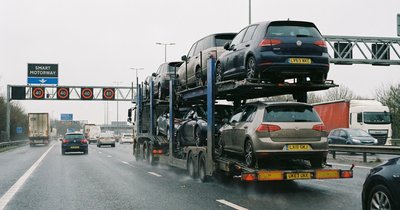
Vehicle transport. Cars, motorbikes, and classics need specialist car transporters with open or enclosed trailers. A standard removal firm will not touch them. Pricing is per mile and opaque without comparison, so getting several car transport quotes matters even more here than on a house move.
Caravan transport. Static and touring caravans are wide loads that need specialist carriers, not removal vans. House-move aggregators do not cover this at all, which is why caravan transport quotes are best gathered from carriers built for the job.
Boat transport. Sailboats, motorboats, and jet skis need firms with cranes and cradles, an entirely separate trade again. If you need boat transport quotes, searching for moving quotes and landing on a furniture remover gets you nowhere.
The point is simple. If you are moving a vehicle, caravan, or boat, you need a platform built for specialist item transport, not one designed for sofas. Regardless of which type applies to your job, the same factors will determine what you are quoted, and which of them you can control.
What Affects the Price of a Removal Quote?
Some of what drives your quote is fixed. Some of it is entirely in your hands. Knowing which is which is the difference between accepting a price and shaping it.
The size of the job is the biggest single driver. Volume of goods, measured roughly by property size, sets the floor. The average one-bedroom move and the average five-bedroom move differ by about 3.7 times. You cannot change the size of your home, but you need this number to judge whether a quote is sane. The UK three-bedroom move averages £867.
Distance. A local move under 20 miles sits at the bottom of the range. Long distance is a different animal: a 50-mile three-bedroom move averages around £1,252, and genuinely long hauls can add anywhere from £75 to £750 or more. Always quote a long move explicitly on distance, not just on hours.
Timing is the lever most people ignore. Friday is the most popular moving day in the UK, taking roughly 27% of all household moves, which pushes Friday prices to the top of the range. Friday 29 August 2025 saw around 22,000 relocations in a single day, roughly four times the daily average. Move mid-week, or outside the June to August peak, and you pay less for identical work.
Packing. This is the most avoidable cost on the whole quote. Schott Removals found packing mentioned in 44% of move reviews, and as an add-on it averages around £373. Pack yourself and it disappears entirely; let the crew do it and it is often the single biggest controllable line on the bill.
Access. Narrow roads, no parking, and upper floors with no lift all add cost, and surveyors price them in. The catch is that access surcharges are only negotiable if you flag the problem upfront. Spring it on the crew on the day and you pay the premium with no leverage.
Location. Regional averages swing hard. A move around Liverpool averages roughly £694, about 45% below the national figure, while London and the South East sit well above it. The same crew, the same van, a different postcode, a different price.
Those are the levers. The skill is in how you put competing quotes side by side once you have them.
How to Compare Removal Quotes: A 7-Point Checklist
This is the part to screenshot. When you compare removal quotes, run every one through the same seven checks, in this order of importance. They are not equally weighted, and the first one matters more than the rest combined.
- Price against inclusions, never price alone. The cheapest quote is usually cheapest because it excludes packing, dismantling, or a second van. Strip every quote back to the same scope before you compare a single number. A £400 quote that excludes packing is more expensive than a £600 quote that includes it.
- Insurance: ask for the policy limit explicitly. Goods-in-transit cover is mandatory for professional operators. If a company cannot tell you the limit immediately, that is a red flag, not an oversight. You want a number, not a reassurance.
- Was a survey offered? For any move of three bedrooms or more, a reputable company should offer a home survey, virtual or in person. A quote given without a survey is an estimate, not a commitment, and estimates grow on moving day.
- BAR or NGRS membership. Membership of the British Association of Removers or the National Guild of Removers and Storers is a floor, not a ceiling. It does not guarantee the lowest price, but it does guarantee minimum insurance standards and a dispute-resolution route if things go wrong.
- Payment terms. Legitimate companies take a deposit of 10% to 25% with the balance due on completion. Cash in advance for the full amount is a warning sign.
- Cancellation policy. Exchange dates slip constantly. Make sure the cancellation and rescheduling terms are written into the quote before you commit, not promised over the phone.
- Reviews on an independent platform. Not the glowing testimonials on the company’s own website. Check Google, Trustpilot, or Which? Trusted Traders, where the reviews are harder to fake.
The reason most people never get to run this checklist is friction. Phoning five companies one by one, repeating the same details and chasing written quotes, is exhausting, so they stop at one or two and overpay. Comparison platforms remove that friction: you describe the job once and verified providers send competing quotes back to you. That is how you turn the fragmented market to your advantage, and it is where the savings above come from.
Comparison protects your wallet. The next section protects you from the operators who should never have made your shortlist in the first place.
Red Flags That Should Make You Walk Away
Some quotes are not just expensive or thin. They are signals of a rogue trader, and the right response is to decline, not negotiate.
No survey offered on a three-bedroom or larger move. They are guessing the volume, and you will see extra charges appear on the day once the van turns out to be too small.
Cash in advance only. This is a classic rogue-trader pattern. No legitimate company asks for 100% upfront. A deposit is normal. The full balance before a single box is loaded is not.
No insurance details, even after you ask. Ask once, then ask again. If they still cannot give you a policy limit, decline. You are being told there is no real cover.
A quote 30% or more below every other quote. This rarely means a bargain. It usually means an unlicensed operator with no real insurance and subcontracted labour you never vetted.
No written confirmation. Verbal quotes are unenforceable. If a company will not email you a written quote with terms, do not book. Full stop.
If you have spotted the red flags and have a clean shortlist, the last question is how to get the price down on the quotes you actually want.
6 Ways to Get Cheaper Removal Quotes
These are ranked by how much they typically save, not by how often they get repeated as generic advice.
1. Compare at least three quotes. By a wide margin, this saves the most. The average gap between one quote and three is £291 to £603 on the same move. This single action is worth more than every other tip on this list combined. Do nothing else and you still come out ahead.
2. Avoid Fridays and August. Friday carries roughly 27% of all moves and prices peak with demand. A mid-week move, or one booked for January to March, costs less for no loss of service quality.
3. Do your own packing. As the price section showed, the packing add-on is the biggest controllable line on a standard house move. If you have the time and the boxes, doing it yourself removes that cost from the quote entirely.
4. Declutter before you get quoted. Every box and item adds volume, and volume sets the price. A clear-out before the survey shrinks the job and the quote in one move.
5. Get a fixed-price quote, not an hourly rate. For anything beyond a couple of hours, hourly billing can escalate fast if the day runs long. A fixed price puts that risk on the transporter, where it belongs.
6. Ask about groupage. For smaller or non-urgent loads, some companies consolidate part loads heading the same way and pass on the saving. It is rarely advertised, so ask explicitly. And book early. Four to eight weeks ahead gives you choice of supplier; last-minute moves pay a premium and take whatever is left.
Apply even half of these and the few hours you spend comparing quotes will be the best-paid hours of your whole move.
Your Next Step: Compare, Don’t Settle
You now know what a real quote includes, which of the five markets your job falls into, what moves the price, and how to spot the operators worth avoiding. The only thing left is to get the quotes in front of you.
The fastest way to do that, without phoning each company and repeating yourself five times over, is to post your job once and let verified transporters come to you. It takes less time than calling a single removal firm. Whether you are moving a house, a car, a caravan, or a boat, the principle is the same: make them compete, and let the outliers reveal themselves.
Need a Transport Quote?
Compare quotes from verified UK transporters. Free and takes under 2 minutes.
Get Free Quotes