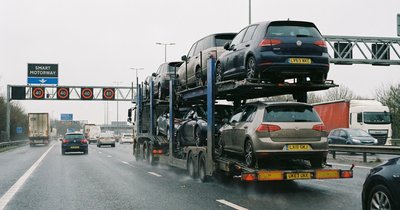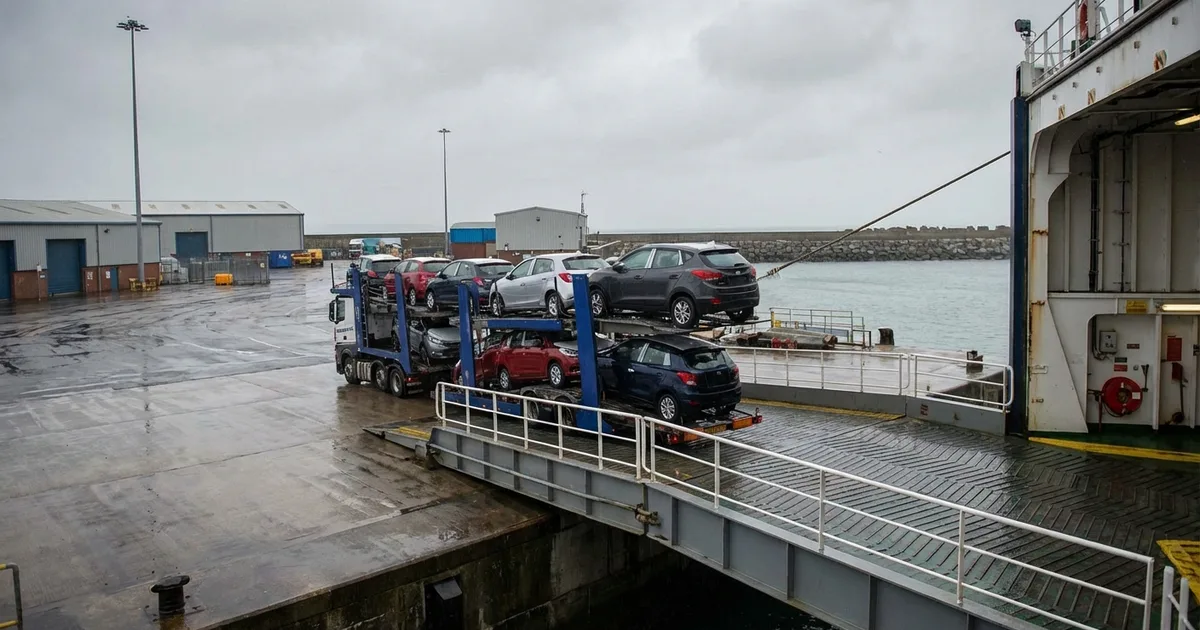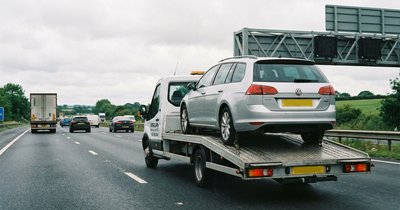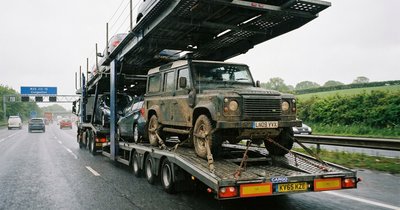
How Much to Transport a Car 200 Miles UK: The Real Cost
Key takeaways
- A standard 200-mile car move costs roughly £150 to £320 on an open trailer, or £200 to £450 enclosed.
- The number comes from a per-mile rate of about £0.90 to £1.30, not a fixed rate card. 200 miles at £0.95 works out near £190.
- Long-distance jobs cost less per mile than short hops, because loading and unloading time is spread over more miles.
- Diesel fell from 192.14p to 167.14p per litre between April and July 2026, which is why any published price list goes stale within weeks.
- The only number that reflects your car, your dates and today’s fuel price is a live quote. Comparing several beats trusting any single figure, including this one.
Search “how much to transport a car 200 miles UK” and you get five nearly identical answers: somewhere between £150 and £400. None of them show their working. They all repeat the same range and the same bullet list of factors, and not one explains where the number actually comes from.
Here is the actual maths. At the UK long-distance transport rate of £0.90 to £1.30 per mile, 200 miles works out to roughly £180 to £260 on an open trailer. That is a real number built from a per-mile calculation, not a guess pulled off a rate card.
It moves depending on three things: your car, your dates, and, this year more than most, the price of diesel. Get any one of those wrong and the real quote can land £100 either side of the headline. Whether you are moving house, buying a car at the other end of the country, or shifting a student’s runaround to a new university city, the number below is the one to start from, and the sections that follow show exactly how to sharpen it for your job.
How much does it cost to transport a car 200 miles in the UK?
For a standard car transport service covering 200 miles, expect these ballpark figures:
- Open transport: roughly £150 to £320. This is the standard choice, with your car carried on an open trailer alongside other vehicles.
- Enclosed transport: roughly £200 to £450 for the same distance. Used for classic, high-value, or brand-new cars, and typically 30% to 50% more than open.
- Same-day or urgent delivery: roughly £250 to £450, a clear premium over a flexible-date booking.
These are ranges rather than a single price for one reason: a 200-mile move is priced per quote, not off a fixed rate card. The same car on the same day can come back at different prices from different transporters, depending on who already has a job near your route. That is not a fudge. It is how the market works, and the next section shows exactly where the number comes from.
The actual maths: what it costs to transport a car 200 miles
Car transport in the UK is priced per mile, and the per-mile rate falls as the distance grows. Shiply’s published platform data puts the average rate at £0.95 per mile for journeys over 50 miles, against roughly £2.00 per mile for jobs under 50 miles. Airtasker’s 2026 figures tell the same story: £0.90 to £1.30 per mile once a job clears 150 miles, versus £1.50 to £3.00 per mile under 50 miles.
The reason sits in the fixed work at either end. Loading a car, strapping it down, positioning the trailer and unloading at the other end takes roughly the same time whether the drive is 30 miles or 300. On a short hop that fixed cost is spread over very few miles, so the effective per-mile rate is high. Stretch it over 200 miles and the same fixed cost is diluted, so the rate roughly halves.
Put the numbers to work for a 200-mile job:
- 200 miles at £0.95 per mile (Shiply’s long-distance average) comes to about £190.
- 200 miles at £1.30 per mile (Airtasker’s upper long-distance band) comes to about £260.
Both land squarely inside the £150 to £320 open-transport range you see quoted everywhere, except now you can see why. This is also why a 200-mile move sits in a pricing sweet spot. It is long enough to dilute the fixed loading and unloading cost that makes a 100-mile job disproportionately expensive per mile, but not yet long enough to unlock the deepest multi-drop discounts transporters can offer on 300-mile-plus routes. Push the distance up and the per-mile rate keeps easing. Drop it toward 100 miles and it climbs.
Open transport vs enclosed transport: which do you actually need?
Most people moving a car 200 miles never need to ask this question, but the ones who do need a straight answer.
Open transport is the default, and rightly so. Your car travels on an open multi-car trailer, exposed to weather and road spray in exactly the same way it would be if you drove it yourself. It is the cheapest option, there is far more capacity on the road, and for a normal daily driver it carries no real downside. This is the £150 to £320 band for a 200-mile job.
Enclosed transport puts your car inside a fully covered trailer, shielded from weather, stones and road debris. It commands a 30% to 50% premium, roughly £200 to £450 for the same 200 miles. That premium is worth paying in a specific set of cases: a classic or collector car, a brand-new vehicle being delivered to a buyer, or anything where a chip or a scratch in transit represents a genuine financial loss.
Be honest about which camp your car is in. For a standard house-move runaround or a dealer-to-dealer sale, open transport is the right call almost every time. Enclosed is for the minority of jobs where the car’s value or condition actually justifies the extra outlay. If you are moving a car alongside a caravan or van in the same house move, it is worth checking the full range of transport services so you can post the whole job in one go.
What actually moves your quote beyond distance
Every competing article lists the same factors as if they all matter equally. They do not. Here they are ranked by how much they actually move a 200-mile car transport cost in the UK.
Vehicle size and weight. After distance and service type, this is the biggest lever. A large SUV, a van or a heavy 4x4 takes up more space on the trailer and adds weight, so it costs more to carry than a supermini. Transporters price the space and the load, not just the journey.
Collection and delivery access. A car sitting on a normal driveway with room for a transporter to pull in is straightforward. A car up a narrow single-track lane, in a tight city terrace, or somewhere a full-size trailer cannot reach means extra time and risk, and that gets priced in.
Booking flexibility. This is the one factor entirely in your control. A fixed date or a same-day slot pushes you into the £250 to £450 premium band, while a flexible collection window lets a transporter slot your car into an existing route and quote you materially less. If your move is not time-critical, giving a date range rather than a single day is the cheapest saving available to you.
Stack these on top of distance and service type and you can see how a single UK car transport job can span anywhere from £150 to £600 across the market. A 200-mile move sits toward the lower-middle of that spread, but where exactly it lands depends on the levers above, and on one factor nobody controls at all.
Why fixed price lists are already out of date in 2026
Here is the thing every competing cost guide has missed. In 2026, the single biggest source of quote variance is not your car or your route. It is diesel.
Diesel peaked at 192.14p per litre in mid-April 2026, then fell to 167.14p per litre by early July, the largest single-month drop since the RAC began recording data in 2000. Most car transporters run diesel-fuelled trailers and HGVs, so that swing feeds straight into what they need to charge to stay profitable on any given route.
The scale of the effect is easy to underestimate at the pump. The Road Haulage Association estimates that a 1p-per-litre move in diesel costs an average HGV operator between £400 and £600 per vehicle per year. A 25p swing between April and July is not a rounding error to a transporter. It is the difference between a route being profitable and being run at a loss.
For your 200-mile job, the practical consequence is direct. The same move quoted in April could easily have come back £30 to £50 more expensive than it would in July, purely on fuel, with nothing to do with your car or your dates. That is why a published price list cannot be trusted for more than a few weeks. It is a snapshot from a static rate card, while real quotes are now generated live against today’s fuel and demand, not pulled from a table someone wrote months ago.
Treat every fixed number you read online, including the ones in this guide, as a ballpark that was true when it was written. The accurate figure lives somewhere else.
How to get an accurate price for your car and route
Everything above gives you a realistic ballpark: £150 to £320 open, £200 to £450 enclosed, for a standard 200-mile move. That is enough to know whether a quote you are handed is fair. It is not enough to know what your specific job costs today.
The only way to get a number that reflects your exact vehicle, your actual dates and this month’s fuel price is a live quote against your real job. And because different transporters are on different routes, the same 200 miles can come back priced very differently before fuel is even factored in. One transporter running empty back down your route will beat another who has to make a dedicated trip.
That is the direct fix for the fixed-price-list problem. Post your job once on TransportQuoteCompare, describe your car, your collection point and your destination, and let verified transporters compete for the work. You compare real quotes side by side and choose on price and dates, rather than accepting the first number a single company gives you.
The five near-identical search results all leave you exactly where you started, staring at a vague range with no way to act on it. The real number for your car is a two-minute job posting away, priced against today’s diesel rather than last quarter’s rate card. Compare a handful of live quotes and you will beat any published figure, including this one.
Need a Transport Quote?
Compare quotes from verified UK transporters. Free and takes under 2 minutes.
Get Free Quotes