Car Delivery Service UK: Costs, Options & How to Book
Key takeaways
- UK car delivery runs roughly £0.90 to £3.00 per mile. Short jobs cost more per mile; the rate drops sharply once you pass 50 miles.
- There are three methods: driveaway (cheapest, adds mileage), open transporter (best value for everyday cars), and enclosed (30 to 60% more, for classics and high-value cars).
- A 300-mile delivery costs around £300 on a standard open or driveaway job at the prevailing ~£1 per mile rate.
- Quotes for the same job commonly vary 20 to 40% between operators. Getting three quotes is the single biggest thing you can do to avoid overpaying.
- Always insist on a pre-collection condition report with photos, and never pay the full balance upfront to an unverified company.
Get two quotes for the same car delivery service job and you’ll likely see prices £50 to £150 apart. Get three, and the gap between cheapest and dearest can top £150. That’s not because one company’s dodgy. It’s because car transport pricing is genuinely distance-sensitive, load-dependent and route-specific.
So if you’ve got one quote in hand and you’re wondering whether it’s fair, you’re asking exactly the right question. There’s no fixed price for moving a car from A to B in the UK, and the firm that quoted you has no idea what its rivals would charge for the same run.
This guide gives you both halves of the answer. First the framework: the three delivery methods, what each one costs by distance, and how long it takes. Then the strategy: how to read a quote, what to check before you book, and why comparing a handful of operators beats accepting the first number you’re given for a car transport service.
The three types of car delivery service in the UK
You can’t judge whether a price is fair until you know what you’re buying. A car collection and delivery service comes in three forms, and they’re not interchangeable. Picking the wrong one either wastes money or puts your car at risk.
Driveaway / trade plate delivery
A licensed professional driver collects your car and drives it to the destination using temporary trade plates. This is the cheapest method and the fastest for short hops. Same-day delivery is realistic under about 150 miles.
The downside is obvious once you think about it: the journey adds real mileage and engine wear to the car. For a roadworthy daily driver that’s a non-issue. For a low-mileage classic or a near-new car you just bought, those extra 200 miles on the clock matter. Choose driveaway for ordinary running cars, short distances, and urgent bookings.
Open transporter
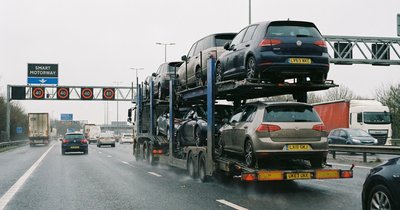
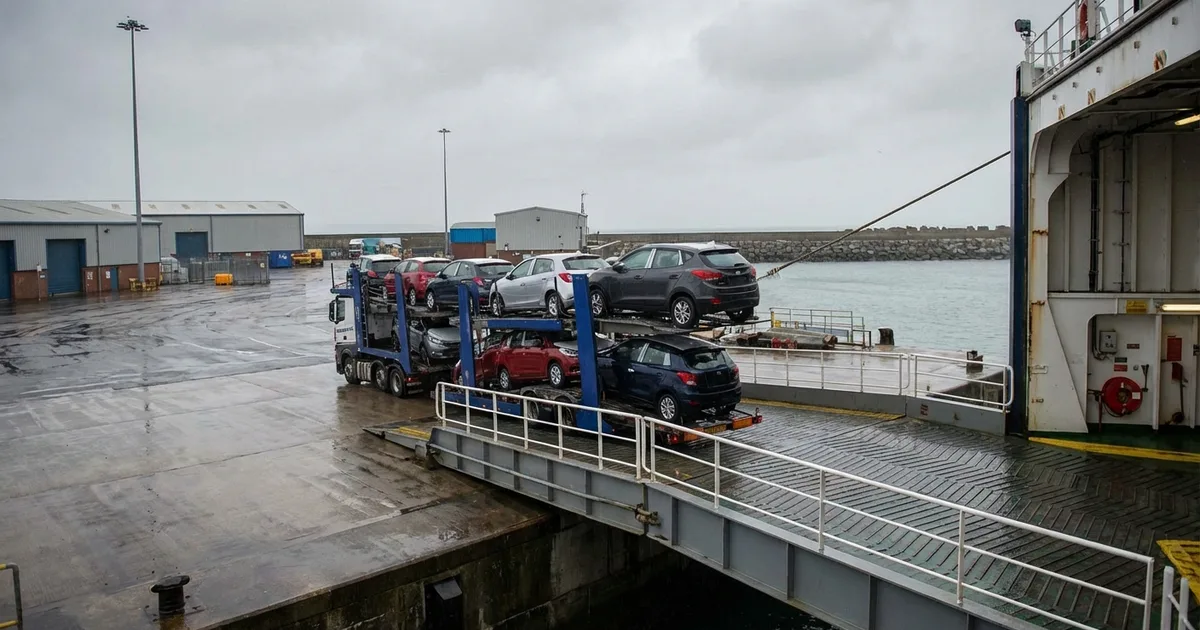
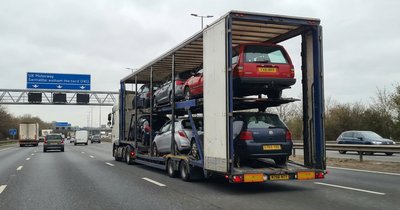
Your car is loaded onto a multi-car trailer and driven to the destination. This is the same method manufacturers use to ship new cars to dealerships, which tells you everything about how safe it is for a standard vehicle. It adds zero mileage.
The car is exposed to road spray and the occasional stone chip, but for an everyday vehicle that’s rarely a real concern. On any job over 100 miles, the open transporter is the most cost-effective option because operators carry several cars at once and share the cost of the run. Choose it for standard cars, non-urgent moves, and longer distances where you want to keep the mileage off the clock.
Enclosed transporter
Your car travels inside a fully enclosed trailer with zero exposure to weather or debris. It costs 30 to 60% more than open transport for the same distance, which is a meaningful premium and only worth paying in specific cases.
Those cases are clear: classic cars, high-value or luxury vehicles, non-running cars that need careful winch loading, and anything where the paintwork is non-negotiable. If you’re moving a £4,000 hatchback, enclosed transport is money wasted. If you’re moving a restored E-Type, it’s the only sensible choice.
Now you know what type suits your car. Here is what each will actually cost.
Car delivery service costs in the UK: what to expect
Car delivery in the UK is priced per mile, and the single most important thing to understand is that the per-mile rate isn’t flat. It falls sharply once you pass 50 miles. A 30-mile job billed at £3 per mile isn’t a rip-off, it’s structural: the driver still has to collect the car, load it, and cover their time and fuel whether the run is 30 miles or 130.
| Distance | Typical cost range | Rate per mile |
|---|---|---|
| Under 50 miles | £80–£160 | £2.10–£3.20 |
| 50–200 miles | £120–£290 | £1.05–£1.45 |
| 200–400 miles | £200–£400 | ~£1.00 |
| 400+ miles (UK-wide) | £350–£600+ | £0.85–£1.10 |
Use the 300-mile case as your anchor. At the prevailing rate of roughly £1 per mile, a 300-mile delivery comes in around £300. So if you bought a car on AutoTrader in Manchester and you’re in London, a standard open-transporter quote in the £250 to £350 region is normal. London to Manchester is a dense corridor, so expect the lower half of that band. A quote of £500 for that run is worth questioning.
Two adjustments to keep in mind. These figures are for standard open or driveaway jobs, so add 30 to 60% if you need enclosed transport. And a non-running vehicle attracts a surcharge, because it has to be winched onto the trailer with specialist loading equipment rather than driven on.
These are ranges, not quotes. What decides where your particular job lands inside them?
What affects the price of car delivery?
Six things move the number, and they’re not equally weighted. Knowing which ones you can influence gives you leverage when you book.
- Distance does most of the work, but it’s non-linear. Push past 50 miles and the per-mile rate falls, so a longer job costs more overall yet less per mile.
- Transport type: driveaway is cheapest, open sits in the middle, enclosed adds its 30 to 60% premium.
- Vehicle condition: a runner can be driven on and off the trailer; a non-runner needs winching, and that costs extra.
- Urgency is the lever you control. Same-day and next-day cost a premium, while five to seven days’ notice gets you the best price.
- Route is about how many trucks already run it. Busy corridors like London to Manchester stay cheap; rural routes, Scotland and Northern Ireland cost more because fewer operators cover them.
- Vehicle size: big SUVs, high-roof vans and motorhomes may not fit a standard transporter, or may pay for the space they hog.
Once you’ve got a quote, you also need to know when the car will actually arrive.
How long does car delivery take in the UK?
Most buyers have a deadline. You collected the car from an auction, or you need it before the weekend. Here’s the realistic timeline rather than a hedged non-answer.
- Local, under 50 miles: same-day or next-day is achievable with a driveaway service.
- Regional, 50 to 200 miles: 1 to 3 business days.
- Cross-country, 200 to 400 miles: 2 to 4 business days.
- UK-wide, 400+ miles (London to Glasgow, say): 3 to 7 business days.
One thing to ask at quote stage: open transporters running shared loads often take longer than a dedicated driveaway, because the truck collects and drops several cars on one route. If your timeline’s tight, say so upfront and confirm the delivery window before you commit.
How car delivery booking works: step by step
If you’ve bought a car remotely and never met the seller or the transporter, the process can feel opaque, and that’s exactly when people hesitate. It’s simpler than it looks. Here are the six steps.
- Request a quote. Provide the collection postcode, the delivery postcode, the make, model and year, whether the car runs, and your preferred dates. The more accurate this is, the more accurate your quotes will be.
- Receive quotes. On a comparison platform, multiple operators bid on your job. This takes minutes to a few hours rather than days of phone tag.
- Compare and choose. Weigh price against timeline, reviews, and insurance cover. The cheapest quote isn’t automatically the right one.
- Pay the deposit. Expect to pay 10 to 20% upfront, with the balance due on delivery. An operator who demands the full amount upfront to an unverified account is a red flag, so walk away.
- Pre-collection inspection. The transporter photographs the car before loading. This condition report is your protection, so insist on it.
- Delivery and sign-off. Check the car over on arrival and raise any damage there and then, not days later when it becomes your word against theirs.
Before you accept any quote, there are five things worth checking about the operator.
Five questions to ask before you book a car delivery service
No competitor covers this from the buyer’s side, which is exactly why it matters. A vehicle delivery service is only as good as the company behind it, and a few direct questions separate the professionals from the chancers.
- What level of goods-in-transit insurance do you carry? Cover of £25,000 to £50,000 is standard. If your car’s worth more, a classic or a luxury model, ask for an operator with higher specialist cover. The AA’s own vehicle delivery guidance makes the same point: confirm the cover matches the value.
- Do you carry out a pre-collection condition report with photos? If the answer’s no, end the conversation. Without a dated record of the car’s condition before loading, you’ve no way to prove transit damage.
- What are your payment terms? A 10 to 20% deposit on booking with the balance on delivery is normal. Full payment upfront to an operator you can’t verify is the single most common way people lose money.
- Do you hold a trade plate licence? A legitimate driveaway operator will hold trade-plate cover, so ask specifically if that’s the method you’re using.
- Can I see your Google or Trustpilot reviews? A brand-new company without reviews isn’t automatically bad, but you should be able to verify something concrete about a business before you hand over your car and a deposit.
The single most effective thing you can do to protect yourself, and to get a fair price, is to compare quotes before accepting any of them.
How to get the best car delivery quote in the UK
Everything above leads to one decision. You now understand the options, the pricing, the timelines, and what to check. The last step is acting on it, and that means comparing quotes rather than booking with the first company you phoned.
Quotes for the same job vary 20 to 40% between operators. This is structural, not a sign of fraud. One transporter already has a truck running your route next Tuesday and can fill an empty slot cheaply. Another would have to make a dedicated trip. Same car, same road, very different cost. The only way to find the operator with the empty slot is to let several of them see your job.
Getting three or more quotes is the highest-leverage action available to you. And when you compare, look past the headline number. Check the timeline, the insurance level, the reviews, and whether they’ll do a condition report. A quote that’s £30 cheaper but skips the inspection isn’t the better deal.
A marketplace such as TransportQuoteCompare lets multiple verified UK transporters bid on your job in one place. You post a single job description, competing quotes come back to you, and you choose the operator that fits on both price and trust signals. No cold-calling five companies and trying to remember what each one said.
Your next step: compare, don’t guess
You don’t need to memorise any of this. You need to apply it once, for the car you’re moving right now. By the time you reach this line you already know more about car delivery pricing than almost everyone else searching this keyword, and the framework above is enough to spot a fair quote and a poor one.
So put it to work. Post your job on TransportQuoteCompare, describe the car and the two postcodes, and let verified UK car transporters compete for the work. Compare the quotes side by side, then book the one that fits on price and on trust. That one habit, comparing instead of accepting, is what stands between a fair price and an overpaid one.
Ready to get your car delivered? Compare car delivery service quotes from verified UK carriers in minutes.
Need a Transport Quote?
Compare quotes from verified UK transporters. Free and takes under 2 minutes.
Get Free Quotes